Pet Information
Birds
Explore helpful bird care articles from Avian & Exotic Animal Clinic of Arizona. These guides cover bird nutrition, grooming, behavior, species-specific care, and common health concerns. This information is for educational purposes only and should not replace a veterinary examination. If your bird is sick, injured, or behaving abnormally, please contact our clinic.

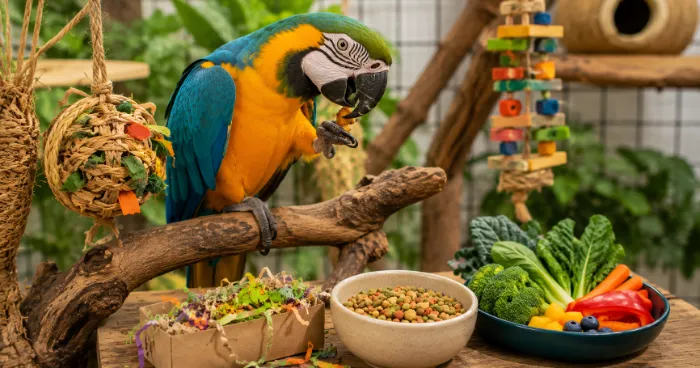
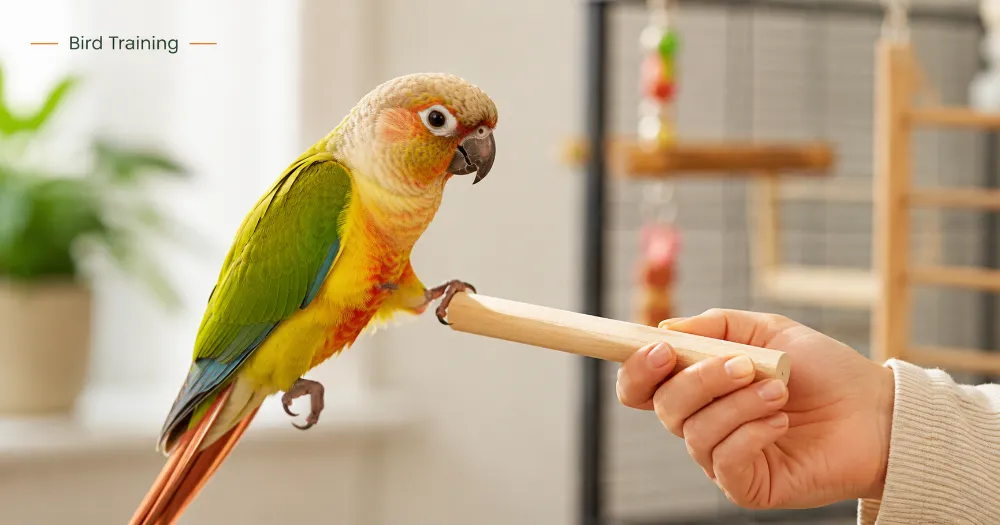
Proper daily care plays an important role in keeping pet birds healthy, comfortable, and mentally stimulated. Birds are sensitive animals
Bird grooming guidelines : Routine grooming is essential for a bird’s health, comfort, and safety. It includes wing trims, nail
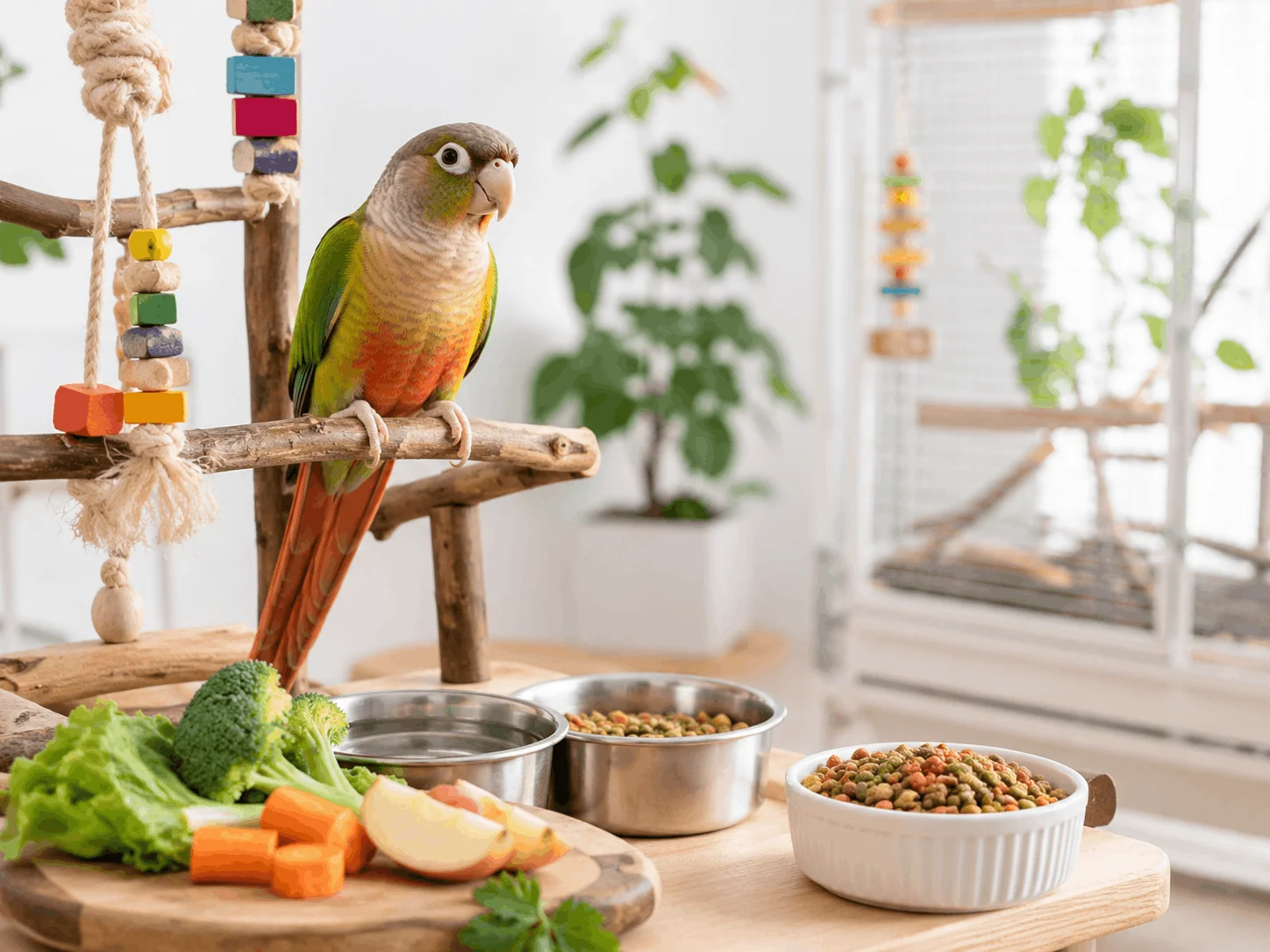
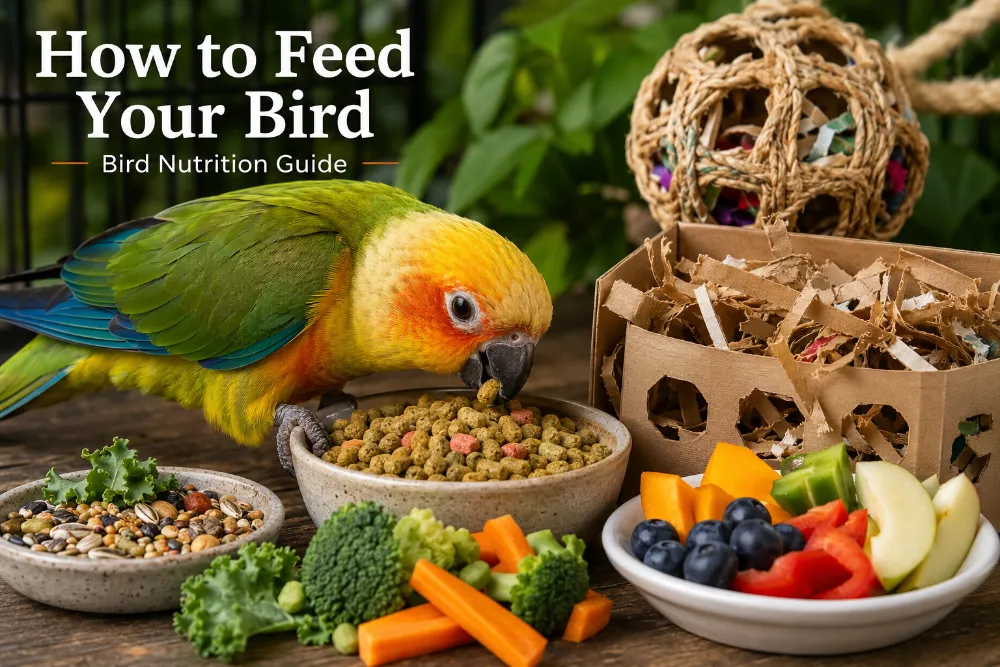
Bird Nutrition Providing proper nutrition to captive birds is challenging, since it is difficult to replicate the diversity and balance
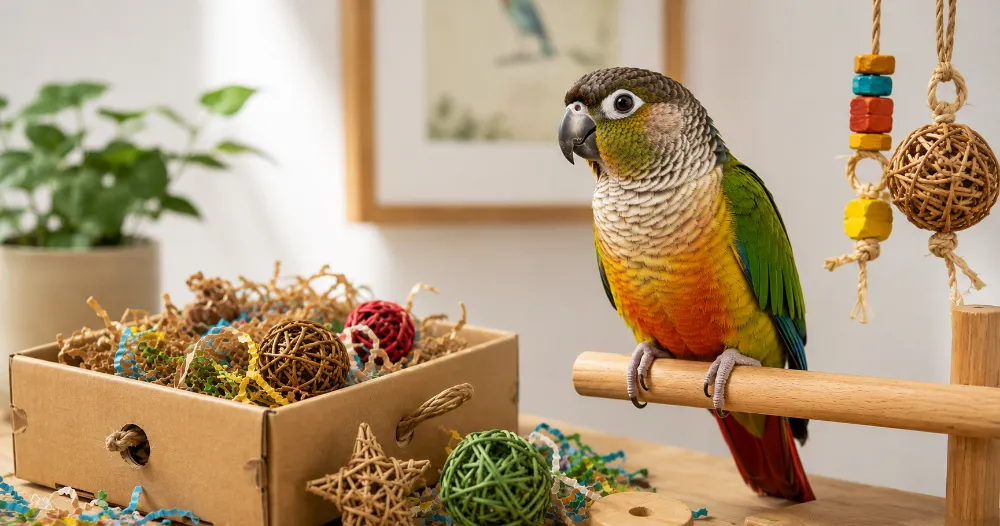
Birds are very social creatures. They flock together in the wild, and will seek social contact in a person’s home.
Chlamydiosis, formerly called ornithosis, and most commonly known to human physicians as psittacosis, or archaic parrot fever, is caused by
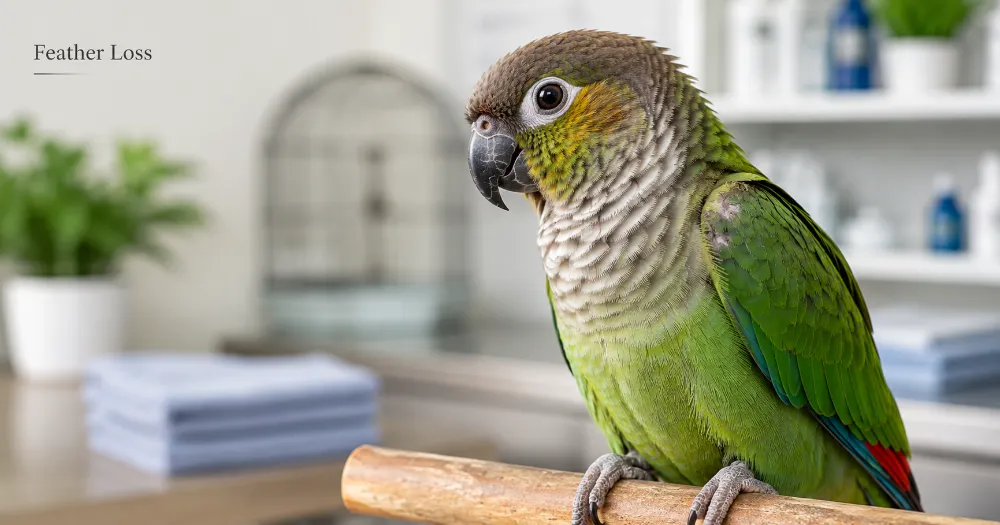
Feather loss is a problem that can be caused by numerous factors: Some of these problems are easy to correct,
Feather Destructive Behavior, FDB, or “Feather Picking,” is not uncommon in captive birds and perhaps is best understood through the
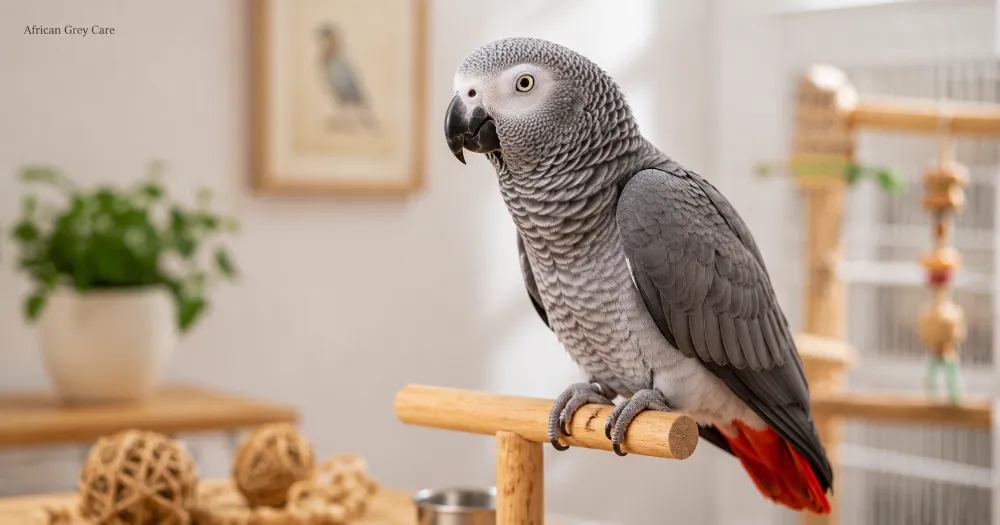
African Greys are popular parrots in today’s pet trade. They are well known for their intelligence and excellent speaking abilities.
faq
frequently asked questions
Can parrots talk like humans?
How can I tell if my bird is sick?
Why does my parrot scream so much?
Seed diet myth/fact
Myth: “All seed diets are healthy for birds.”
Fact: Seeds alone are high in fat and lack essential nutrients. A balanced diet with pellets, fresh veggies, and fruits is key to long-term health