Pet Information
Reptiles & Amphibians
Explore helpful reptile and amphibian care articles from Avian & Exotic Animal Clinic of Arizona. These guides cover species-specific care, habitat setup, nutrition, lighting, handling, and common health concerns. This information is for educational purposes only and should not replace a veterinary examination. If your reptile or amphibian is sick, injured, or behaving abnormally, please contact our clinic.
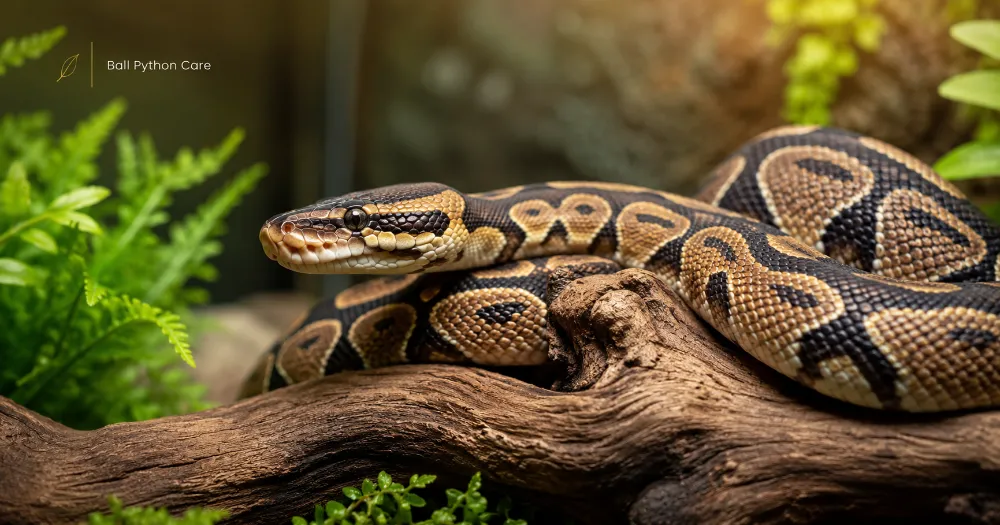
Ball pythons are perhaps the most popular snakes bought at pet stores. They are relatively inexpensive, are beautifully marked, have
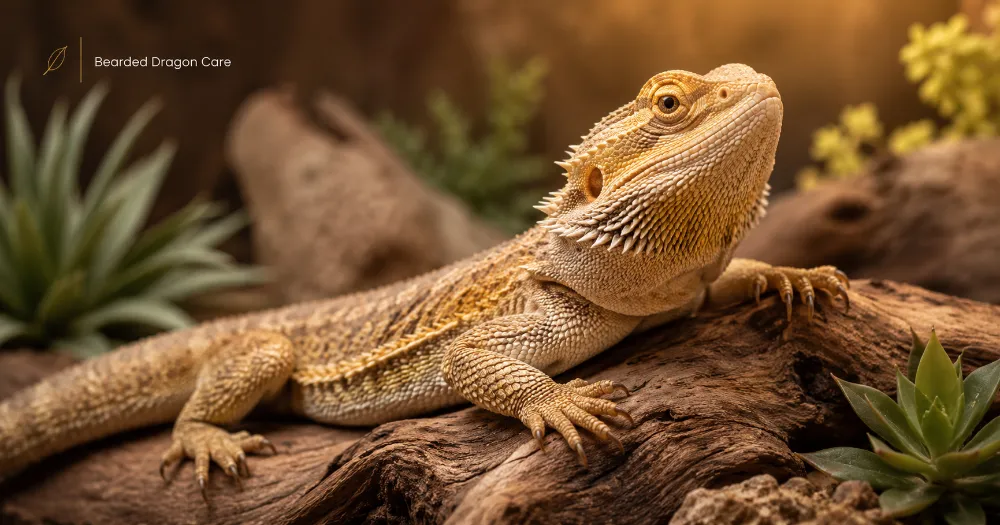
Bearded Dragons Natural History Australian Bearded Dragons (Pagonna Sp.) are old world agamids. They get their name from their spiny
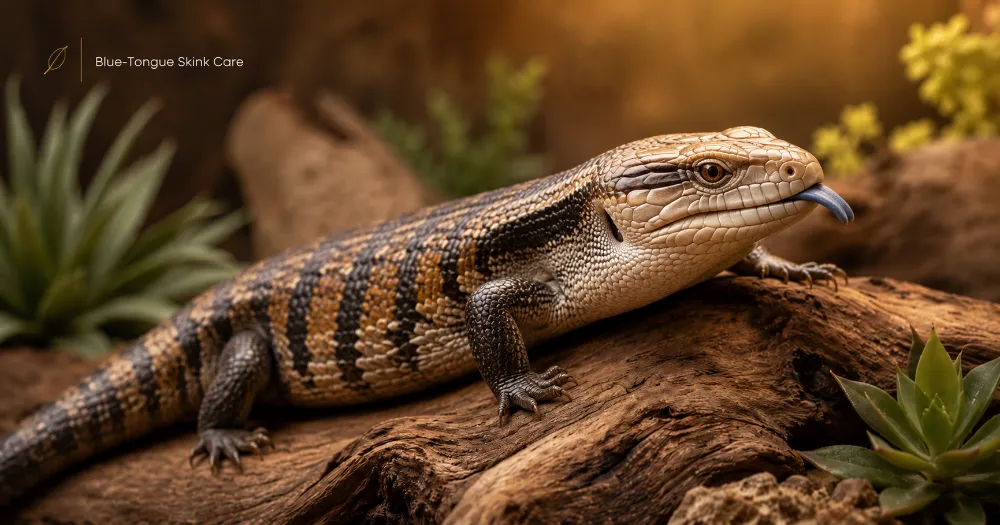
Natural History The blue-tongued skinks are a group of aptly named diurnal, active during day, omnivorous, eating both plant and
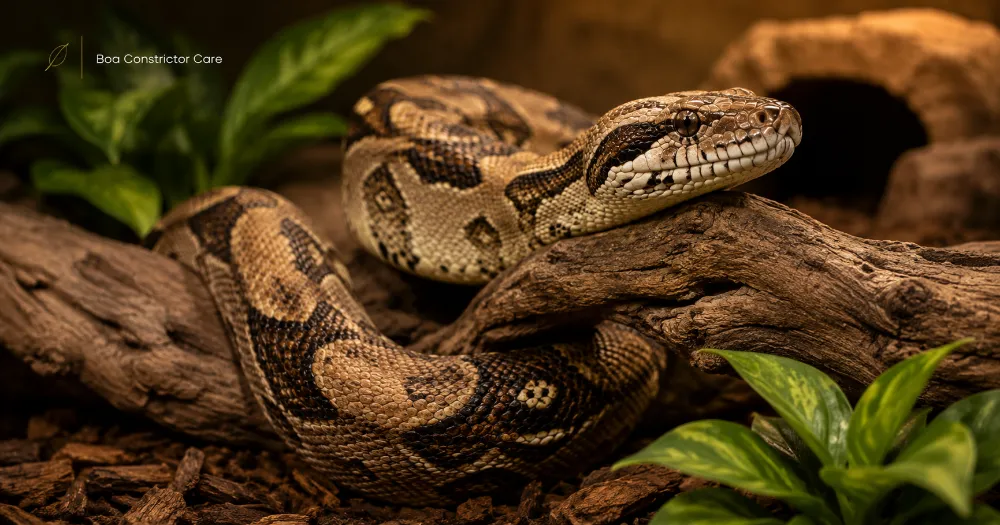
Husbandry Boas should be housed individually, except during breeding attempts. Enclosures for juvenile boas should be at least 61 cm,
Box turtles are one of the best reptiles to keep for beginners, especially as adults. If these animals are given
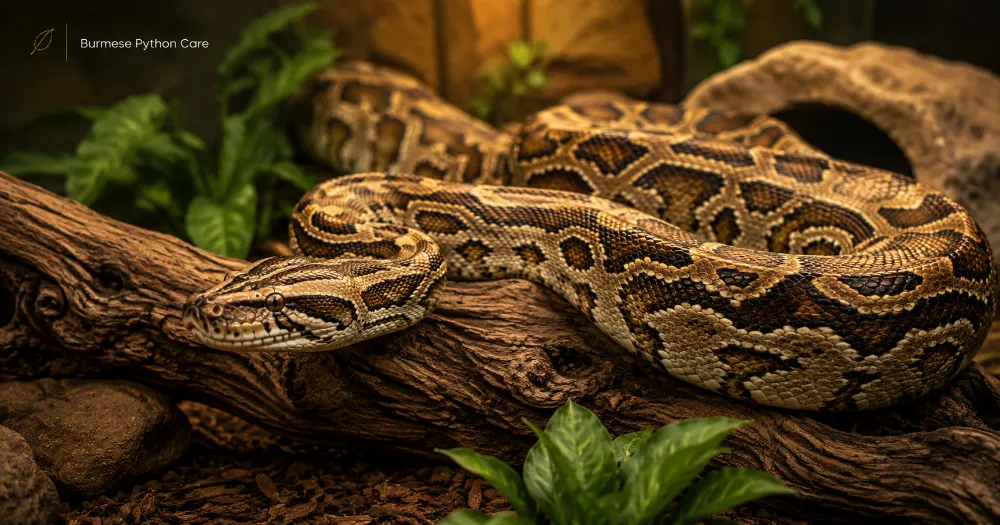
Basic Information The Burmese Python, Python molurus bivittatus, is one of the giant pythons and is native to areas of
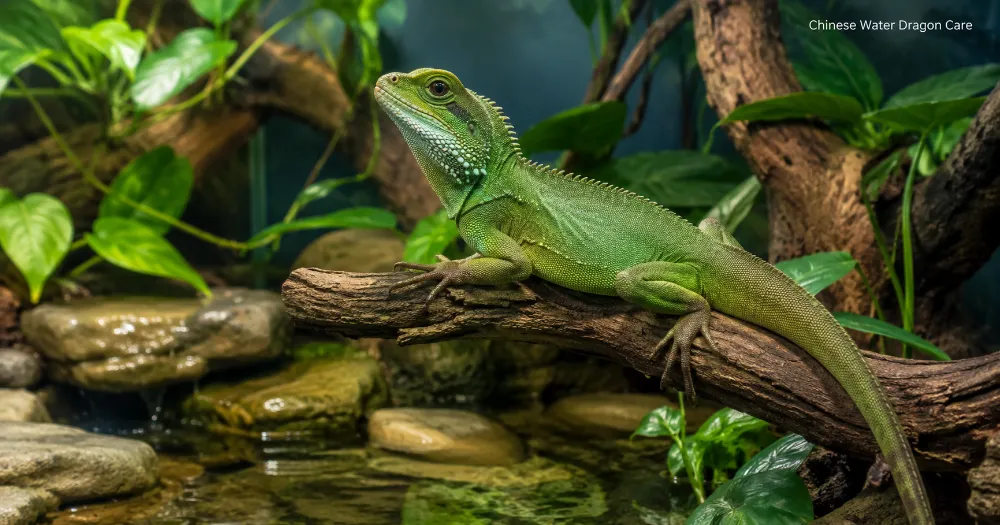
Water dragons are native to Southeast Asia and Australia. They typically live 10–15 years and can grow up to three
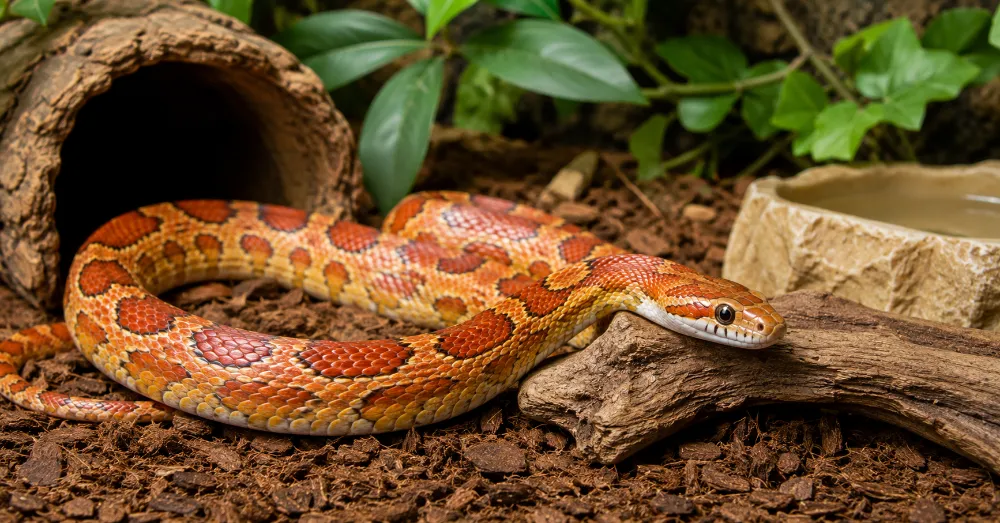
With 50 or more different color and pattern varieties currently bred in captivity, the corn snake is a favorite among
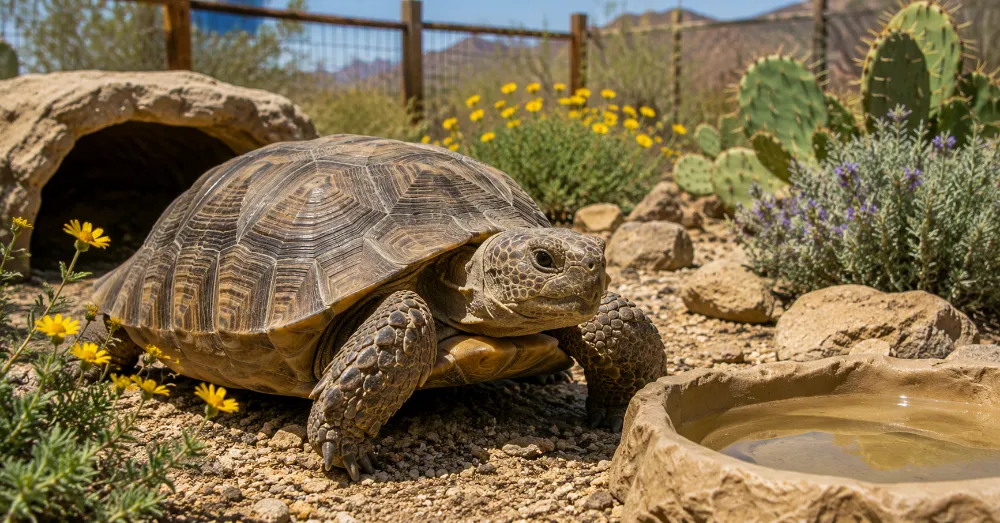
The Desert Tortoise, Gopherus morafkai and agassizii, is endangered in the wild and protected by both federal and state laws.
faq
frequently asked questions
Why do reptiles need UVB lighting?
Can reptiles carry Salmonella?
Myth: “Reptiles don’t need UVB lighting if they’re indoors.”
Fact: UVB is critical for calcium absorption and preventing metabolic bone disease. Without it, reptiles can become very sick.
Myth: “If my reptile isn’t moving much, it’s just lazy.”
Fact: Lethargy is often a red flag for husbandry or health problems and should be checked by a vet.
Why does my parrot scream so much?
Can turtles live only on lettuce?
Turtle/tortoise diet and shell health myths
Myth: “Turtles can live on lettuce.”
Fact: Diets vary by species, but all turtles and tortoises need a varied diet (greens, veggies, proteins, or fruits depending on species) plus proper calcium supplementation.
Myth: “A hard shell means my tortoise is healthy.”
Fact: Shell strength doesn’t reveal everything—respiratory infections, parasites, and nutritional issues can still affect them.