Pet Information
Mammals
Explore helpful small mammal care articles from Avian & Exotic Animal Clinic of Arizona. These guides cover rabbits, ferrets, guinea pigs, hamsters, chinchillas, hedgehogs, rats, sugar gliders, pot belly pigs, and other exotic mammals. This information is for educational purposes only and should not replace a veterinary examination. If your pet is sick, injured, or behaving abnormally, please contact our clinic.

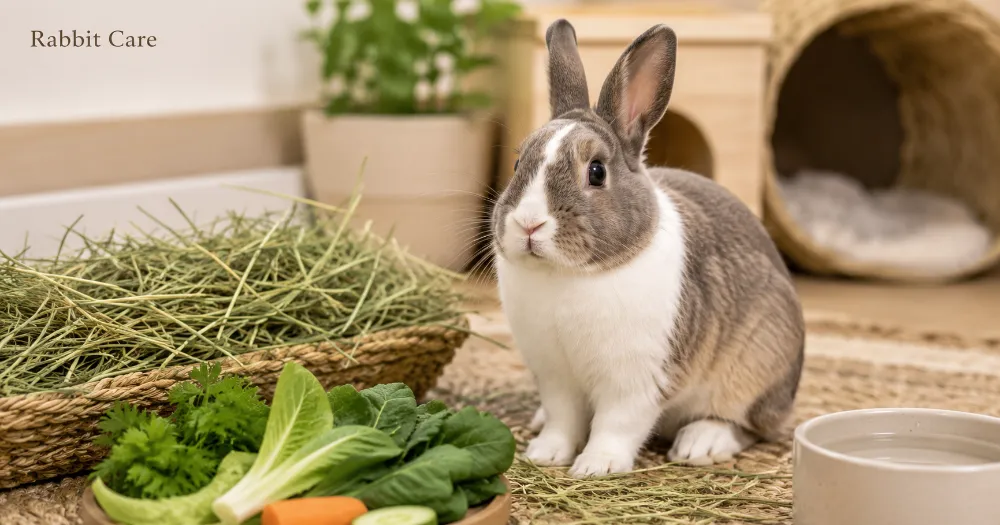
Lifespan Rabbits can live 7–10 years. Diet Grass or timothy hay should be offered free choice and should make up
Most rabbits can be litter box trained. However, there is not a guarantee that every individual rabbit is going to
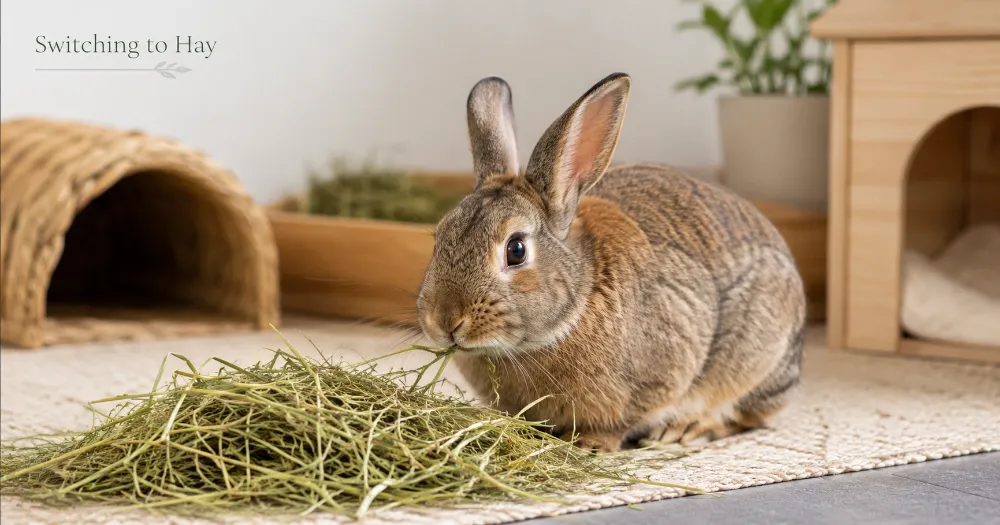
Introducing Hay Many rabbits have simply never seen that long, dry stuff, also known as hay, and don’t recognize it
Basic Information Lifespan: 5–8 years Weight: Males: 2–4 lbs, neutered Females: 1 ½–2 lbs, spayed Housing: Rabbit or larger sized
Four to Six Weeks of Age Pediatric physical examination. CDV, distemper, vaccination, if dam was not vaccinated. Six to Eight
Ferrets can be easily housetrained. However, many will need reminders throughout their lives, particularly if they are engaged heavily in
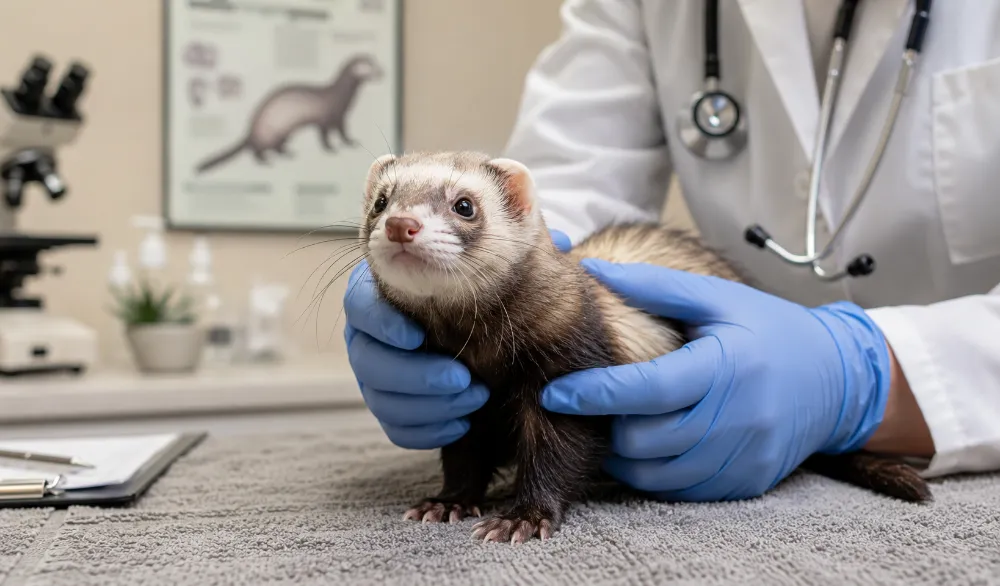
Ferrets are susceptible to a number of diseases, most notably canine distemper, which is considered 100% fatal. Ferrets can be
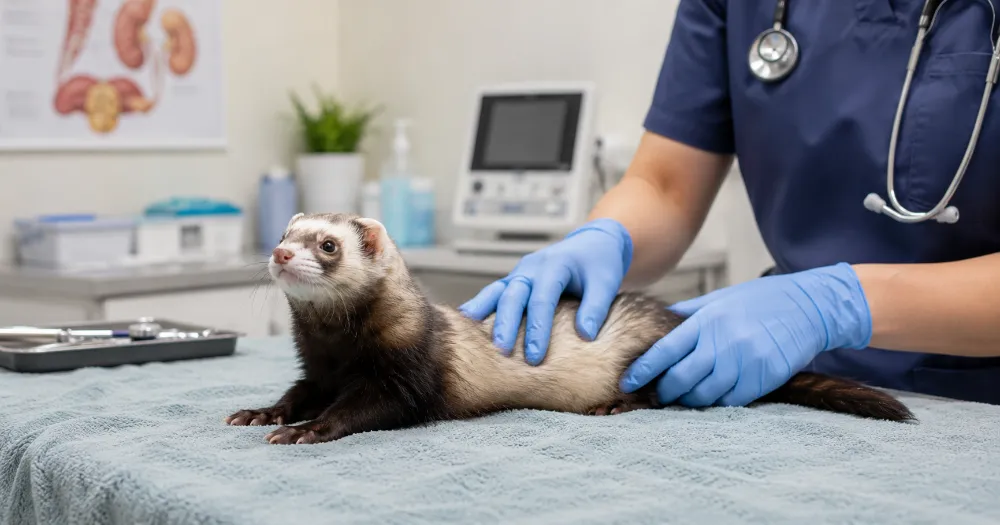
Adrenal Gland The adrenal gland is an endocrine gland that sits above the kidneys. It is divided into a cortex
Basic Information Hamsters are peculiar little rodents with large cheek pouches and short stubby tails. They have gained popularity as
faq
frequently asked questions
Do rabbits need vaccines?
Rabbit hay and nutrition myth/fact
Myth: “Rabbits only need hay for chewing, not nutrition.”
Fact: Hay is the single most important part of a rabbit’s diet—supporting digestion, dental health, and overall wellbeing.
Myth: “Rabbits don’t need to see a vet.”
Fact: Rabbits are prone to dental disease, GI stasis, and other silent illnesses. Routine exams are essential.
Do guinea pigs need Vitamin C?
Why does my ferret sleep so much?
Ferret health myth/fact
Myth: “Turtles can live on lettuce.”
Fact: Diets vary by species, but all turtles and tortoises need a varied diet (greens, veggies, proteins, or fruits depending on species) plus proper calcium supplementation.
Myth: “A hard shell means my tortoise is healthy.”
Fact: Shell strength doesn’t reveal everything—respiratory infections, parasites, and nutritional issues can still affect them.