
Reptile Parasites
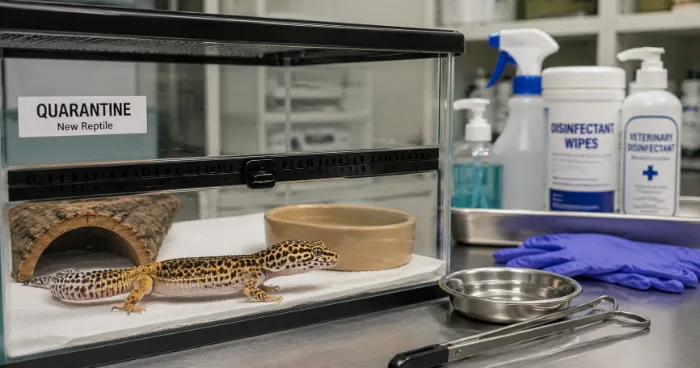
Parasites are extremely common and are often an overlooked problem in captive breeding and general pet reptile collections. It is fair to say that most reptiles brought into captivity in the United States are either farm-raised or wild caught. Wild-caught imported animals often bear a heavy parasite burden in their natural environment while showing no […]
Respiratory Disease in Snakes
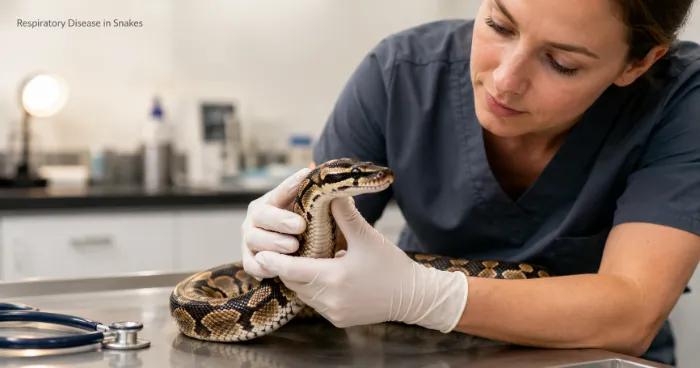
Respiratory disease is a commonly diseased organ system in snakes in captivity. Snakes develop both upper and lower airway diseases. The range of respiratory diseases seen in captivity can have many different causes, including bacterial, viral, parasitic, and fungal infections. Factors that contribute to the expression of disease include: This article is designed to explain […]
Russian Tortoise Care
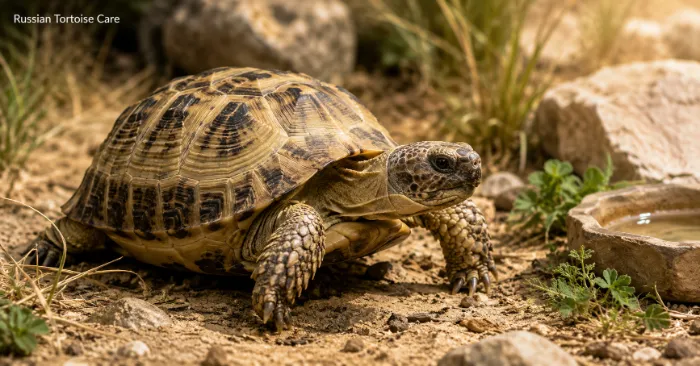
Scientific Taxonomy Scientific Name: Testudo horsfieldi Male Russian tortoises average around 5.5 inches in carapace length and weigh approximately 1.3 pounds. Females are generally larger, averaging around 7.5 inches and approximately 3 pounds. Russian tortoises naturally inhabit dry, arid regions around the Mediterranean and parts of Turkey, Afghanistan, Russia, Iran, China, and Pakistan. They spend […]
Savannah Monitors (Varanus exanthematicus) and White-Throated Monitors (Varanus albigularis) Care
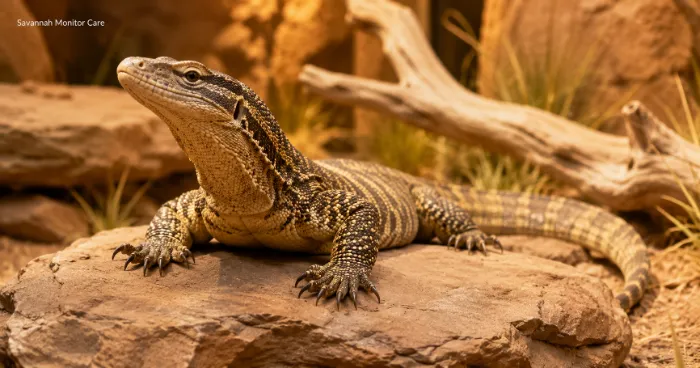
Monitor lizards belong to the family Varanidae, which contains approximately 40 species found throughout Africa, southern Asia, and Australia. All monitor species are carnivorous and egg-laying reptiles. They possess long, snake-like tongues and typically have long, narrow snouts. The husbandry requirements for Savannah Monitors and White-Throated Monitors are virtually identical. Both species naturally inhabit desert […]
Skin Shedding in Snakes
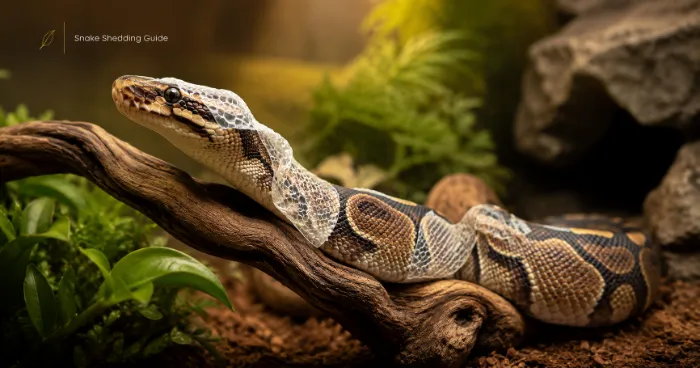
Shedding of reptile skin is referred to as ecdysis. Under normal circumstances, snakes shed their skin in one complete piece. When shedding does not occur normally, it is referred to as dysecdysis, or difficult shedding. Ecdysis is a normal biological process in all animals, including humans. Most animals shed tiny amounts of skin continuously without […]
Solomon Island Prehensile-Tailed Skink Care
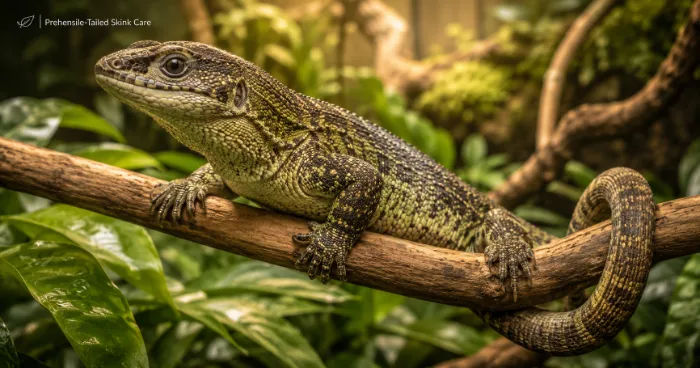
Over the last decade, the Solomon Island Skink has been imported into the United States in large numbers. Unfortunately, this species is facing significant habitat loss due to deforestation throughout the South Pacific Islands. Although these skinks have been readily available in the pet trade, their numbers are expected to decline as they become increasingly […]
Stomatitis in Snakes
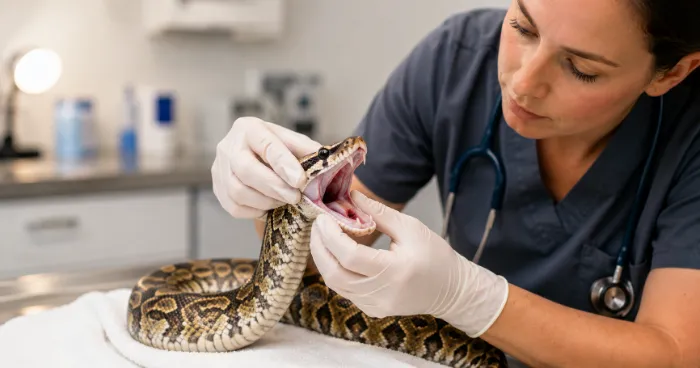
Stomatitis is a condition that occurs most frequently in snakes, although turtles and lizards can also be affected. This disease is commonly seen in snakes because stress caused by poor captive husbandry can suppress the immune system, making reptiles more susceptible to infection. Additional stressors that may increase the likelihood of stomatitis include: Proper husbandry […]
African Spurred (Sulcata) Tortoise Care
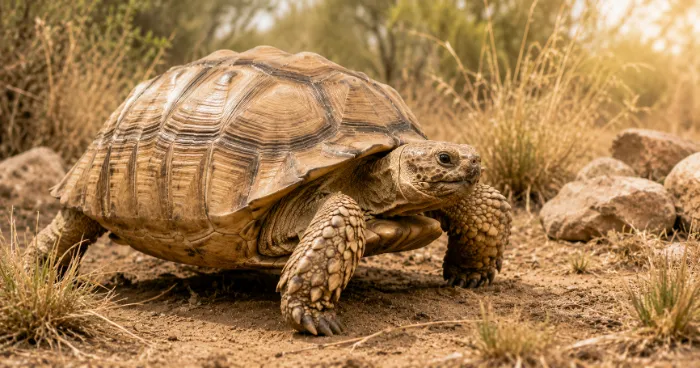
Introduction The African Spurred Tortoise (Geochelone sulcata), commonly known as the Sulcata Tortoise, African Spurred Tortoise, or Furrowed Tortoise, originates from the Sahel region of Africa along the southern edge of the Sahara Desert. This region includes parts of Ethiopia, Chad, Niger, Mali, southern Mauritania, and Senegal. Sulcata tortoises naturally inhabit arid savannahs and semi-desert […]
UV Lighting for Reptiles – FAQ
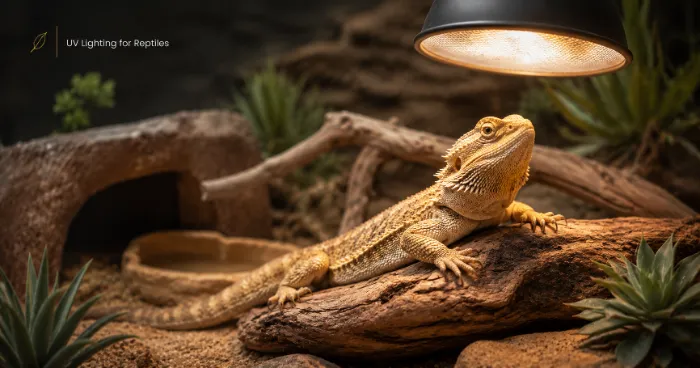
Proper ultraviolet (UV) lighting is one of the most important aspects of reptile husbandry. UV light plays a critical role in calcium metabolism, vitamin D3 production, normal growth, behavior, and overall health. This guide answers some of the most common questions regarding UV lighting for reptiles. What Is Ultraviolet (UV) Light? Ultraviolet (UV) light consists […]
Vomiting in Snakes
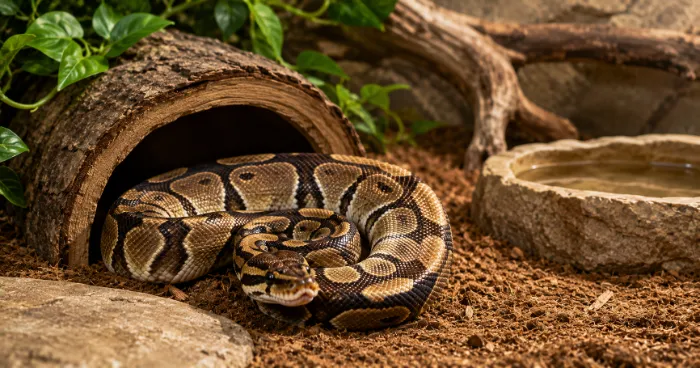
Vomiting and regurgitation are common clinical signs seen in snakes, particularly in boas and pythons. Any snake that vomits or regurgitates should be examined by a veterinarian as soon as possible. The longer the condition continues, the greater the risk of serious complications, including pneumonia and starvation. It is important to understand that vomiting and […]