
How to Feed Your Bird
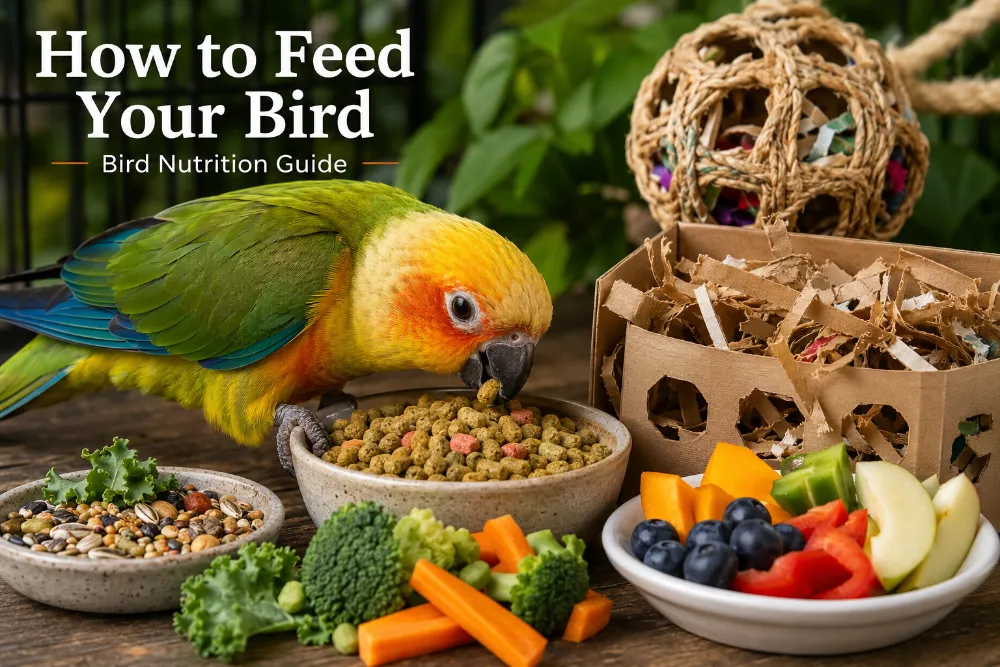
Bird Nutrition Providing proper nutrition to captive birds is challenging, since it is difficult to replicate the diversity and balance they would obtain in the wild. Veterinary consensus has evolved over the years, but today most experts recommend a pellet-based diet, complemented with fresh produce and limited seeds/nuts. Key principle: What matters most is not […]
Captive Care of the Boa Constrictor
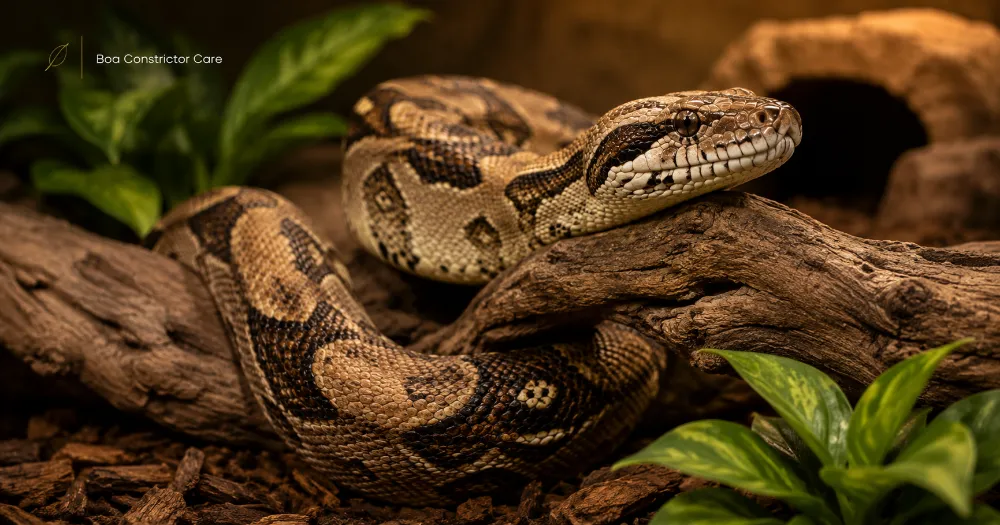
Husbandry Boas should be housed individually, except during breeding attempts. Enclosures for juvenile boas should be at least 61 cm, or 24 inches, long and 38 to 61 cm, or 15 to 24 inches, high. Adult boas should be housed in enclosures at least 1.8 m, or 6 feet, long, 61 cm, or 24 inches, […]
Ferret Immunization Schedule
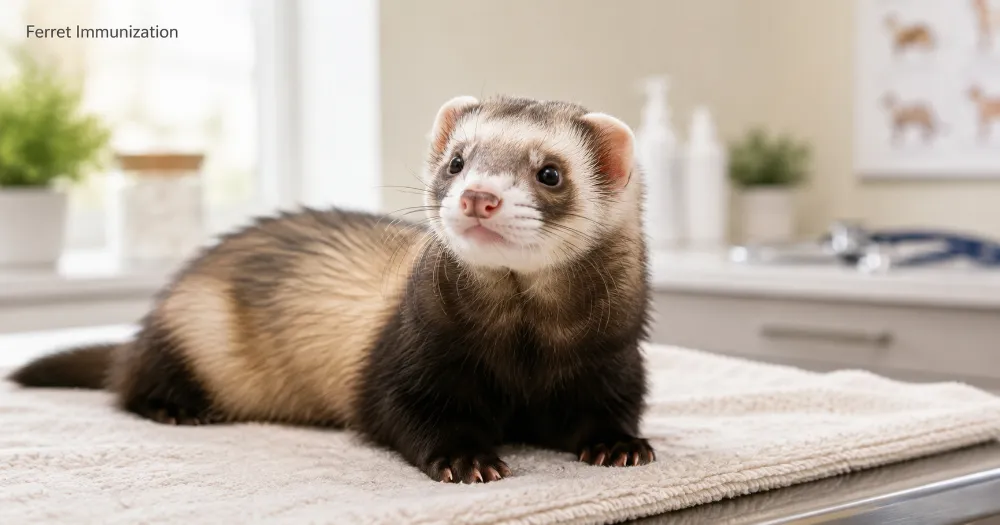
Four to Six Weeks of Age Pediatric physical examination. CDV, distemper, vaccination, if dam was not vaccinated. Six to Eight Weeks of Age Pediatric physical examination. CDV, distemper, vaccination. Fecal examination for parasites. Deworming, if required. Nine to Eleven Weeks of Age Pediatric physical examination. CDV, distemper, vaccination. Fecal examination for parasites. Deworming, if required. […]
Taming and Training Your Bird
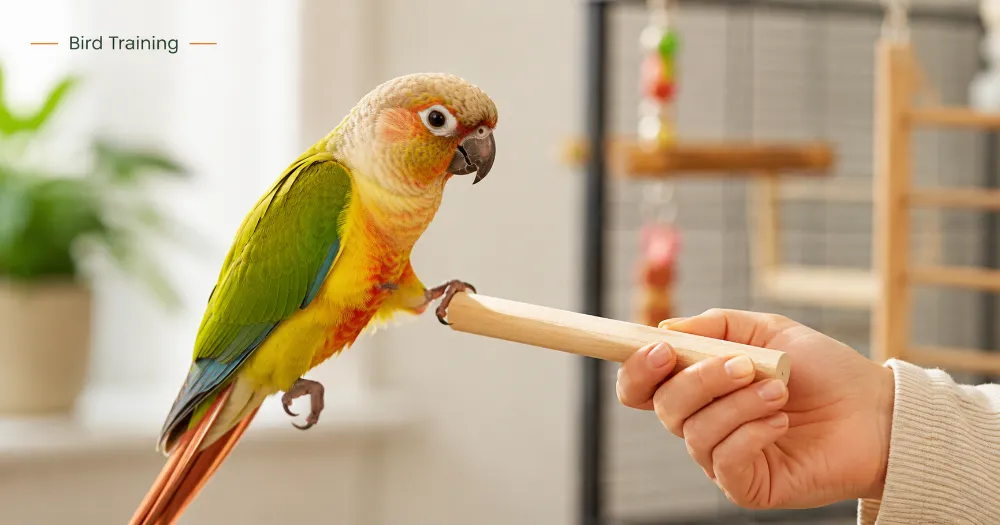
Birds are very social creatures. They flock together in the wild, and will seek social contact in a person’s home. In fact, social contact on a regular basic is necessary. Birds eagerly anticipate contact with their owners, other birds, and even other pets! Bathing Bathing is an activity that most birds enjoy. Provide a small […]
Box Turtle Care
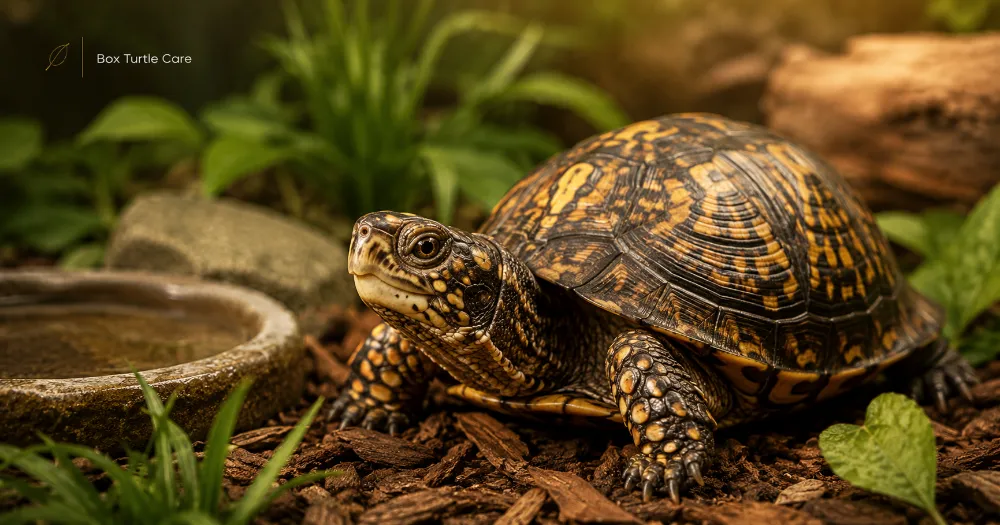
Box turtles are one of the best reptiles to keep for beginners, especially as adults. If these animals are given the proper care, they can live essentially the lifespan of a human being. Box turtles can live 40–50 years, with some reaching 100. Box turtles are named “Box” due to the hinged front undershell, or […]
Ferret House Training
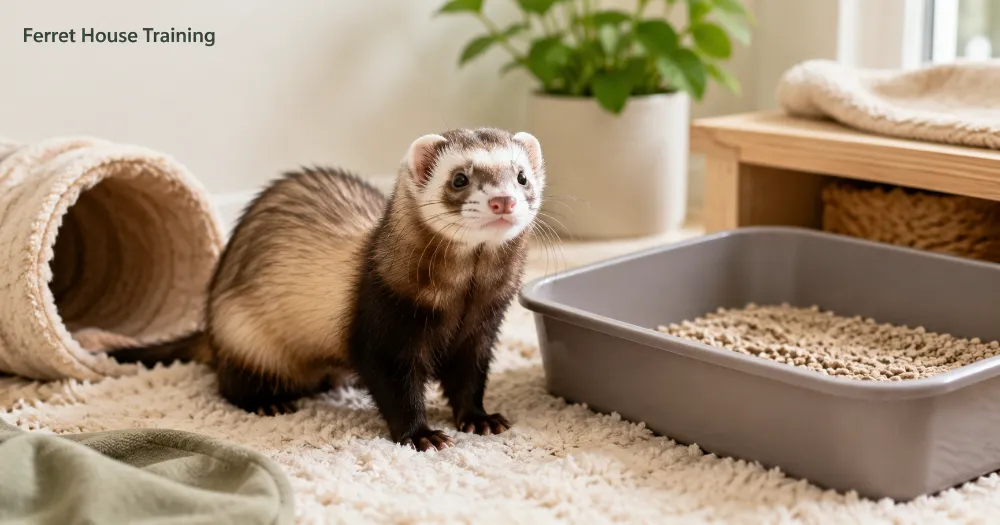
Ferrets can be easily housetrained. However, many will need reminders throughout their lives, particularly if they are engaged heavily in play and a litter box is not handy. Steps Place a small box with low sides or a similar container in a corner of the ferret’s cage. Triangular-shaped boxes are available specifically for ferrets. It […]
Chlamydiosis in Birds
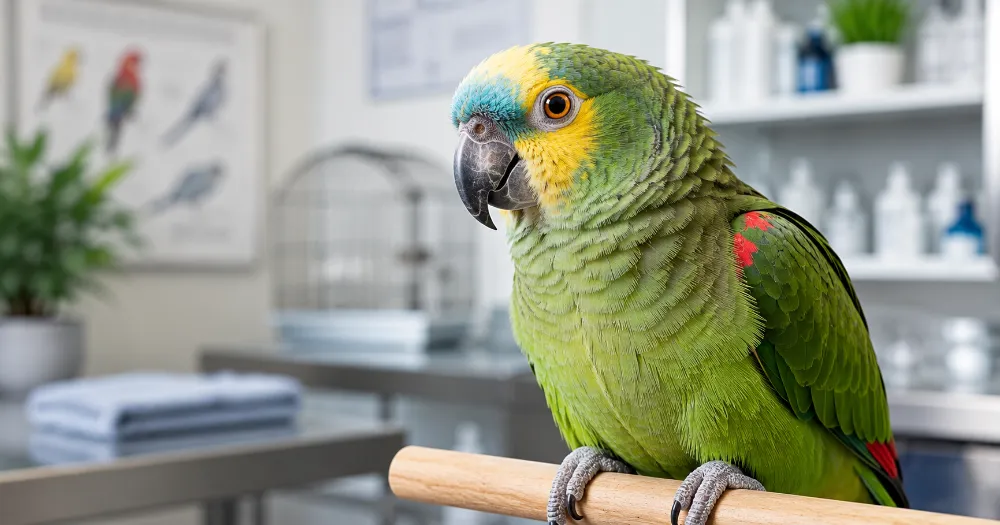
Chlamydiosis, formerly called ornithosis, and most commonly known to human physicians as psittacosis, or archaic parrot fever, is caused by the organism Chlamydophila psittaci. Bird owners should be fully informed of the implications and the potential for transmission to humans. Transmission Transmission of the disease is primarily through inhalation of contaminated dust from droppings or […]
Burmese Python Care
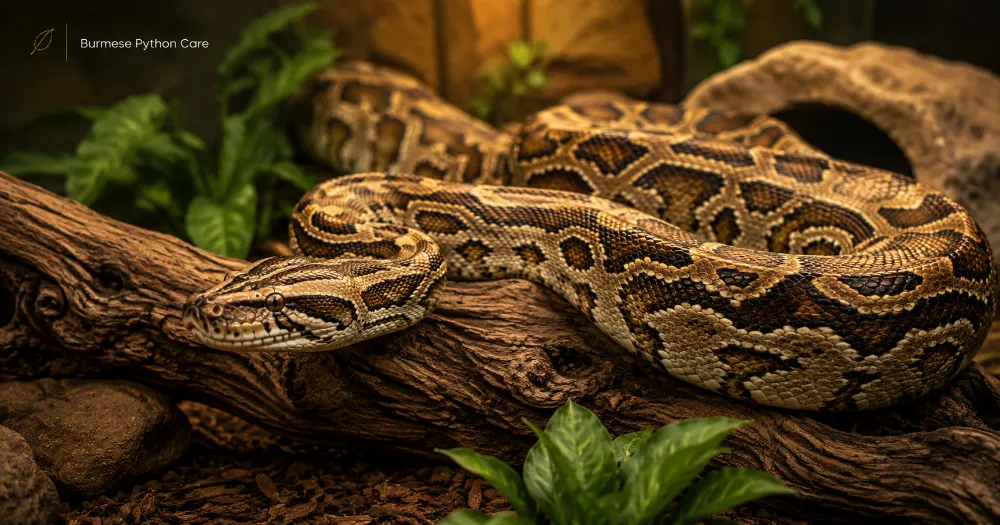
Basic Information The Burmese Python, Python molurus bivittatus, is one of the giant pythons and is native to areas of Southeast Asia, such as China, Vietnam, Indonesia, and Burma. It can live up to 25 years and can exceed 20 feet in length and 200 pounds in weight. The Burmese Python is a diurnal rainforest […]
Ferret Diseases
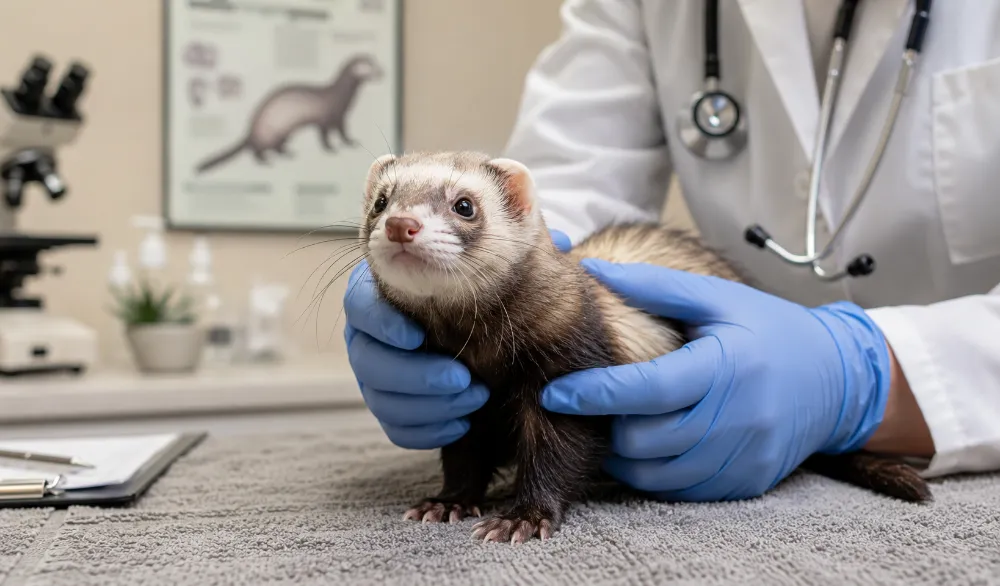
Ferrets are susceptible to a number of diseases, most notably canine distemper, which is considered 100% fatal. Ferrets can be protected from distemper by vaccination. After three years of age, ferrets become prone to several “geriatric” diseases including adrenal neoplasia, polycystic kidneys, lymphosarcoma, insulinoma, and skin neoplasia. Aplastic Anemia Female ferrets that are not spayed […]
Chinese Water Dragon Care
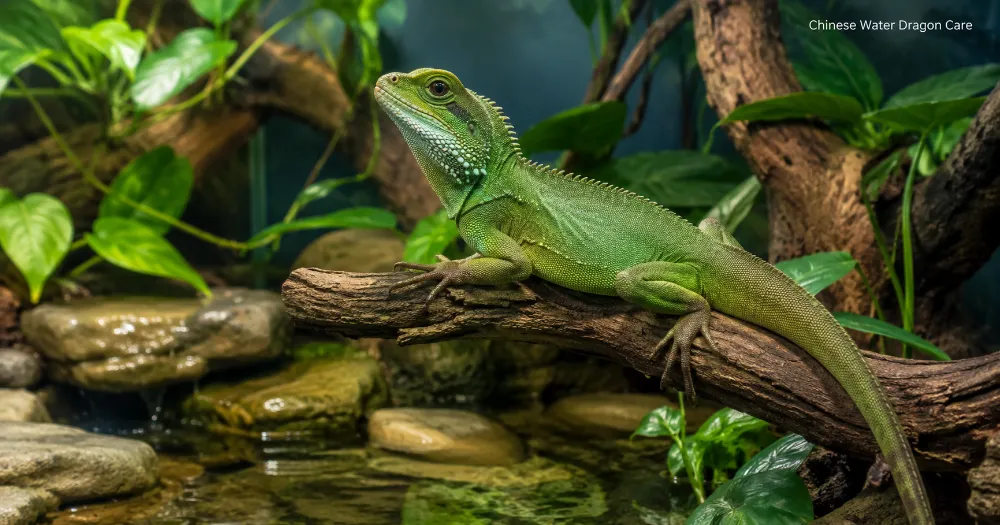
Water dragons are native to Southeast Asia and Australia. They typically live 10–15 years and can grow up to three feet long, counting the tail. Males have larger heads, prominent jowls, and a larger crest on the back of the neck than females. Water dragons are diurnal, active during the day, and semi-arboreal. Water dragons […]