
Feather Loss
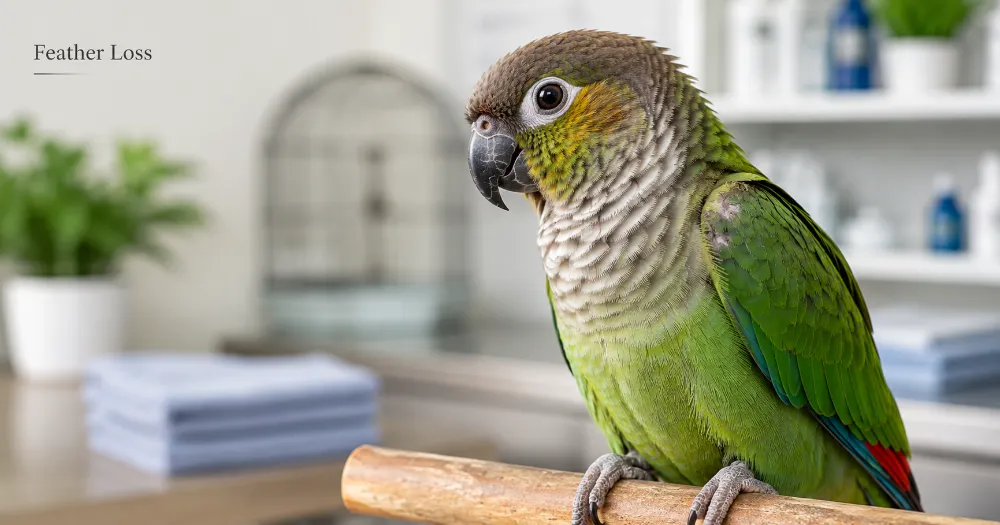
Feather loss is a problem that can be caused by numerous factors: Some of these problems are easy to correct, while others are more difficult or impossible to resolve. Mites, Lice, Infections Often these problems can be solved by dusting with the appropriate insecticide or by giving oral medications. Diagnosis is made by examination of […]
Adrenal Gland Disease in Ferrets
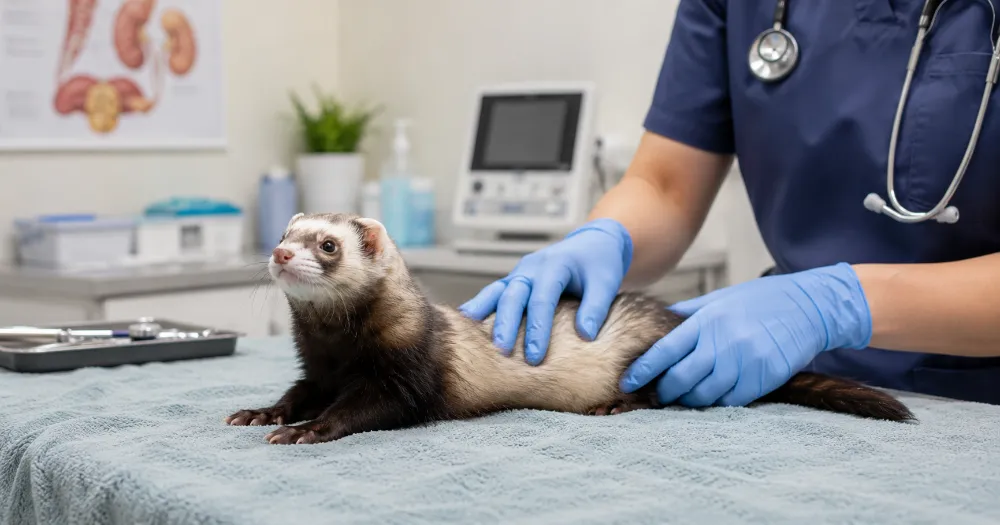
Adrenal Gland The adrenal gland is an endocrine gland that sits above the kidneys. It is divided into a cortex and a medulla. The main responsibility of the adrenal gland is to regulate the stress response through the synthesis of corticosteroids, such as cortisol, and catecholamines, such as adrenaline. Adrenal Cortex The adrenal cortex is […]
Care of the Corn Snake — Elaphe guttata
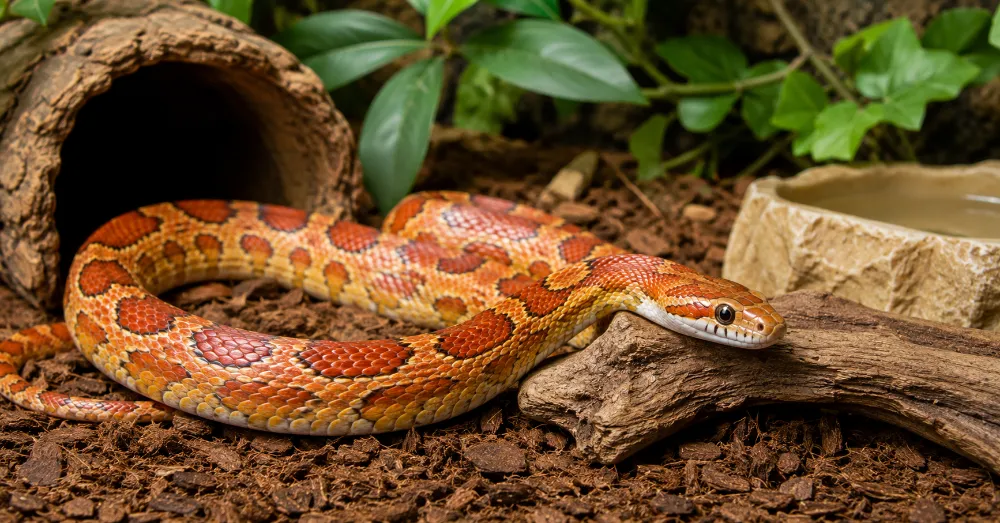
With 50 or more different color and pattern varieties currently bred in captivity, the corn snake is a favorite among reptile hobbyists and herpetoculturists. Its moderate size, 30–48 inches at maturity, gentle disposition, and ease of care make the corn snake well suited for the beginner and expert alike. The corn snake, E. g. guttata, […]
Feather Destructive Behavior
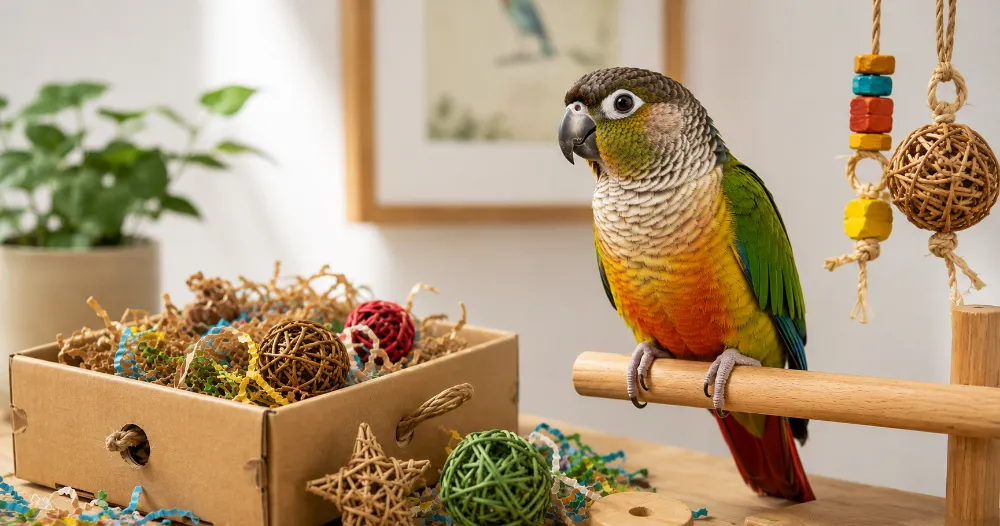
Feather Destructive Behavior, FDB, or “Feather Picking,” is not uncommon in captive birds and perhaps is best understood through the viewpoint of your bird. In the wild, they are free to fly, forage, choose a mate, and exhibit normal destructive behaviors on the intended objects, such as with nest building, tree pruning, and food that […]
Hamster Care
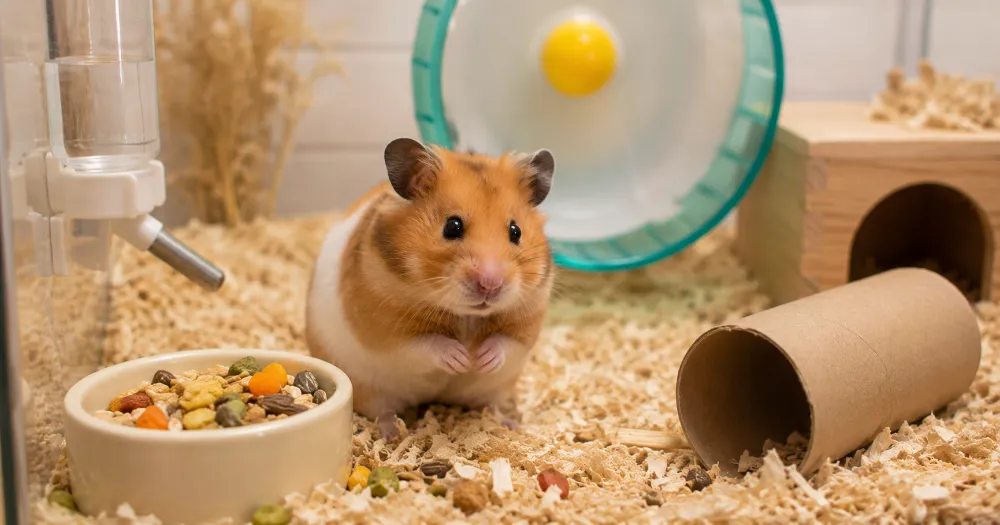
Basic Information Hamsters are peculiar little rodents with large cheek pouches and short stubby tails. They have gained popularity as pets and research animals since the 1930’s. The Syrian hamster’s, golden hamster, wild habitat extends through the Middle East and Southeastern Europe. In 1930, a litter of eight baby hamsters were taken to Israel and […]
Desert Tortoise Care
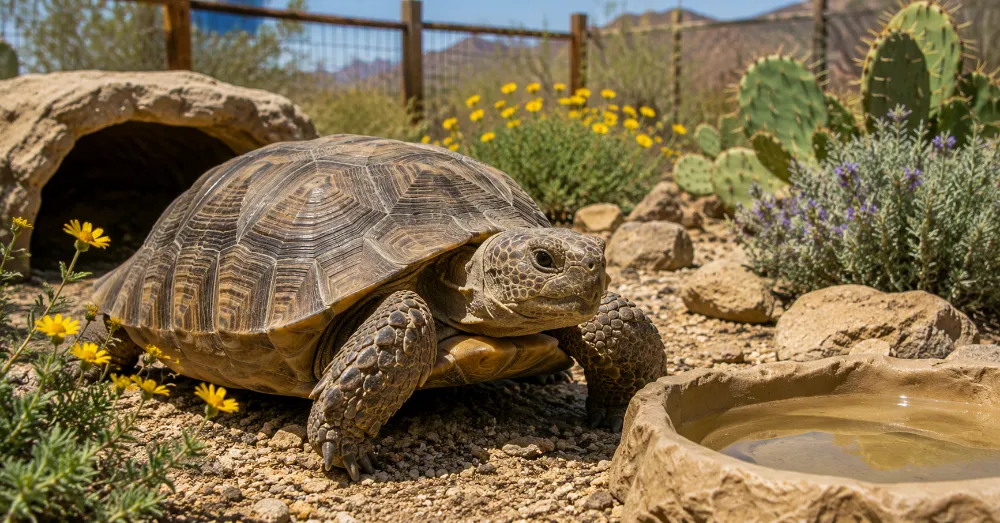
The Desert Tortoise, Gopherus morafkai and agassizii, is endangered in the wild and protected by both federal and state laws. These tortoises can be adopted if they are captive born. Wild tortoises should remain in the wild, unless severely injured or ill. If an owner is keeping a tortoise without proper permits, he or she […]
African Grey (Psittacus erithacus)
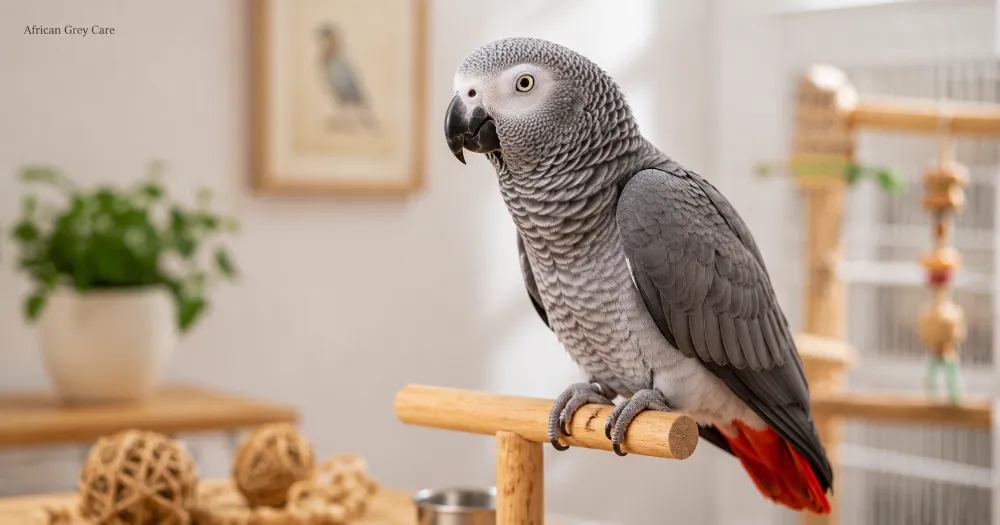
African Greys are popular parrots in today’s pet trade. They are well known for their intelligence and excellent speaking abilities. The two recognized species of African Greys are the Congo (P. e. erithacus) and the Timneh (P. e. timneh). There is some debate over the possible subspecies called the Ghana, which is slightly smaller than […]
Guinea Pig Care and Facts
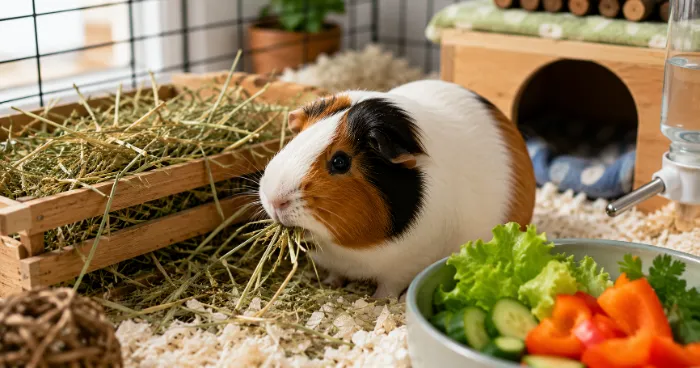
Guinea pigs are friendly, social pets that make wonderful companions when provided with proper housing, nutrition, and veterinary care. Understanding their unique needs is essential for maintaining their long-term health and wellbeing. Guinea Pig Facts Housing The larger the enclosure, the better. A guinea pig enclosure should provide enough room for: Guinea pig urine contains […]
Desert Tortoise Hibernation
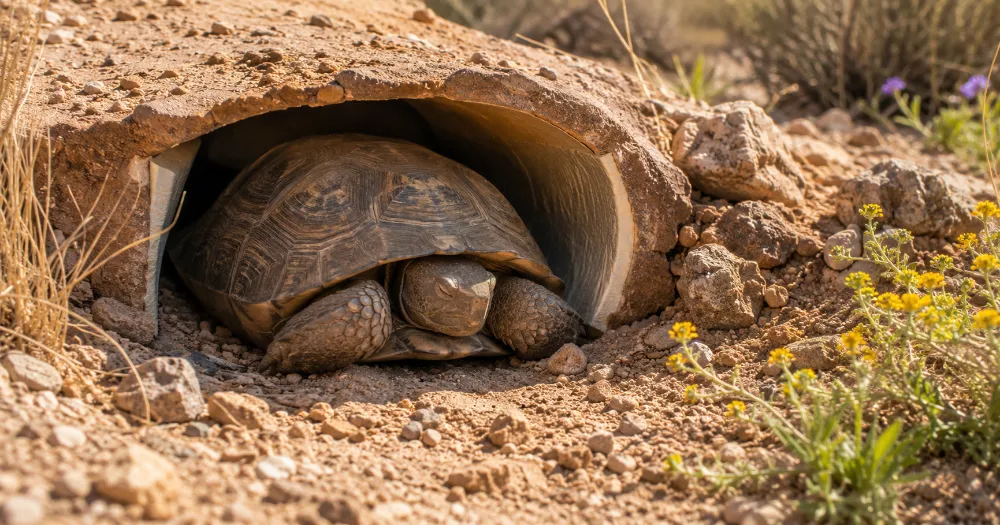
October/November is usually the time that tortoises become more sluggish, eat less, and bask less. A suitable hibernation place needs to be provided. An insulated doghouse with dry soil on the floor and a tarped entrance works well. The doghouse or natural burrow should be kept in a non-flood zone area. Some keepers prefer to […]
Amazon Parrot Care
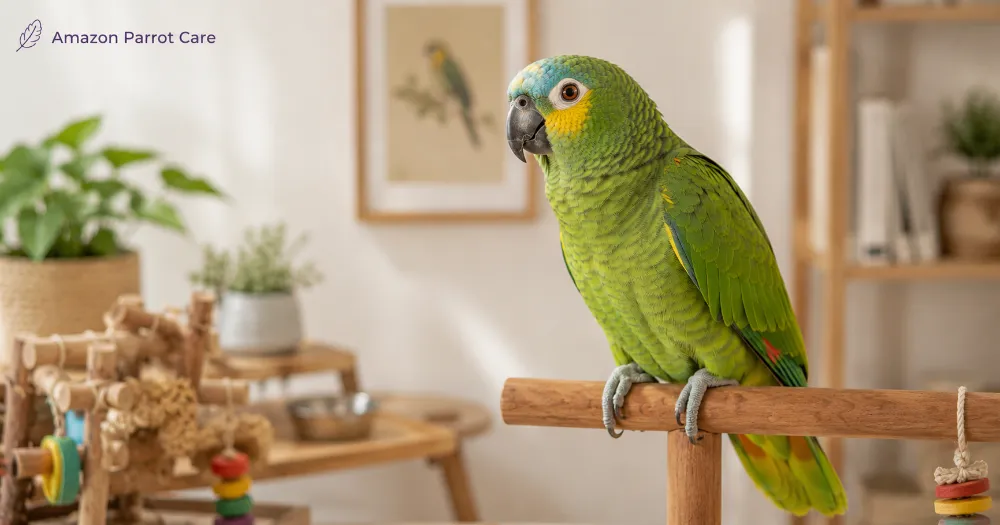
Amazons are among the best-known parrots kept as companion birds. There are many species of Amazons, but only a few are available to the average bird owner. Many species are endangered, kept or imported only by special permit, or kept in closed breeding facilities or zoological parks. Young domestic-bred birds may readily be obtained. Purchasing […]