
Toxins in Pet Birds
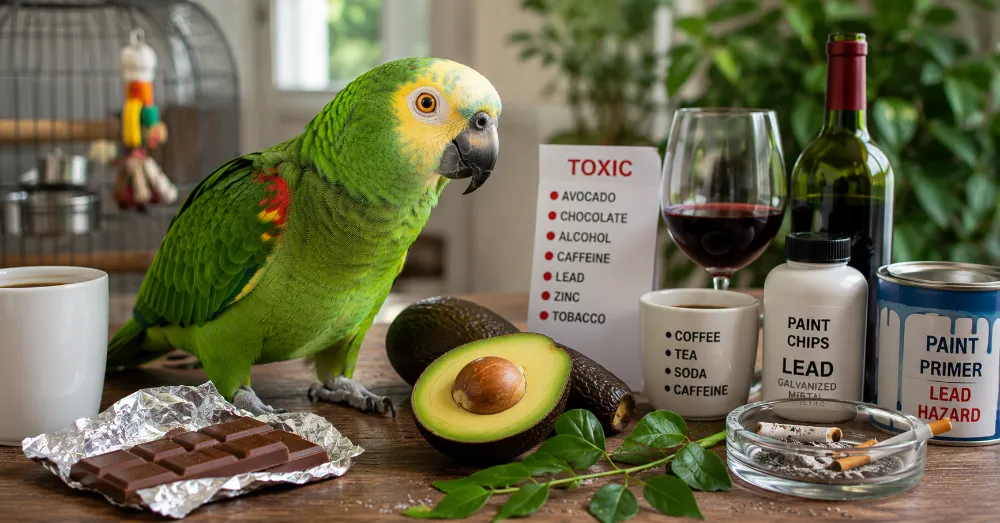
Pet birds, being previously unexposed to the many dangers of our industrial world, are prime candidates for the ingestion of toxins. What follows is a highlight of the most common toxins found in our homes. These will include “acute” fast acting fatal toxins and the “chronic” more long term, but still deadly types of toxins. […]
Rat Care and Facts

Pet rats are intelligent, social, and affectionate animals that make excellent companions when provided with proper housing, nutrition, enrichment, and veterinary care. They are easy to train, enjoy interacting with their owners, and thrive in stimulating environments. Rat Facts Housing The larger the enclosure, the better. A proper enclosure should provide enough room for: Choose […]
Old World Chameleon Care
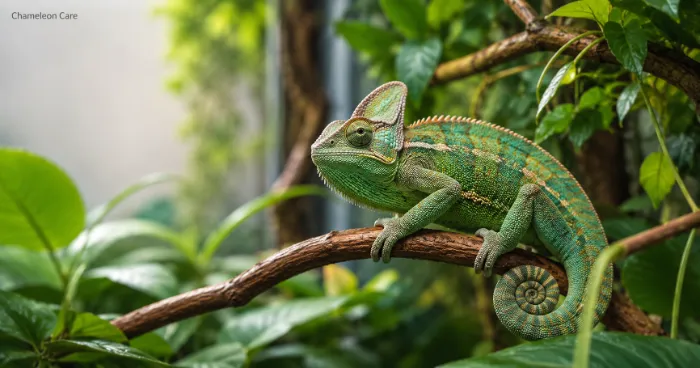
Chameleons have been kept in captivity for the last 20 years. Thousands of chameleons have been imported into the U.S. every year over the past two decades. Until recently, widespread captive breeding has not occurred here in the U.S., and since then only with a few selective species. Two chameleons that have reproduced in the […]
Sugar Glider Care

Sugar gliders are intelligent, social marsupials that require specialized housing, nutrition, and daily interaction to remain healthy and happy. Their unique needs make proper husbandry essential for their long-term health and wellbeing. Sugar Glider Facts The Sugar Glider is a marsupial native to New Guinea and Australia. Interesting facts about sugar gliders include: Housing The […]
Redfoot Tortoise Care
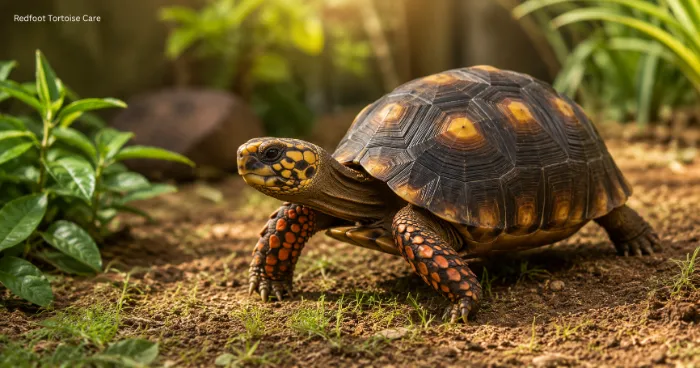
Basic Information The Redfoot tortoise is also called the Redleg tortoise or the Savanna tortoise. This South American tortoise is the most common tortoise available in pet shops. The natural habitat of this animal is savanna areas and scrubby grasslands, although it is sometimes found in deep forests. They can reach 50 years in age. […]
Reptile-Associated Salmonella
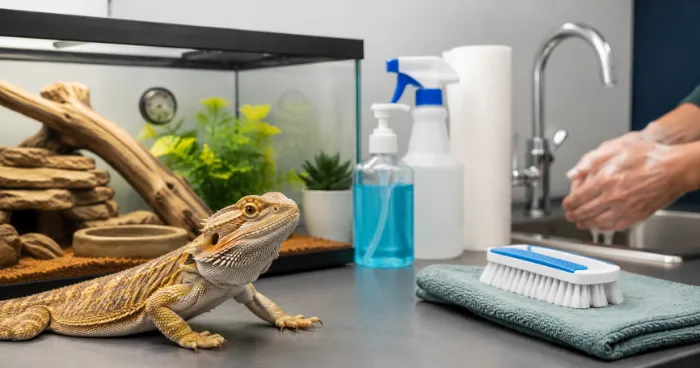
Background Information Salmonellosis is by no means a new disease. Its potential to cause disease has been recognized since 1946. Salmonella is a gram-negative, flagellated rod. In addition, it is a facultative anaerobe. Salmonella is a very stable organism. It is capable of remaining virulent for several months to years, depending on the medium in […]
Reptile Parasites
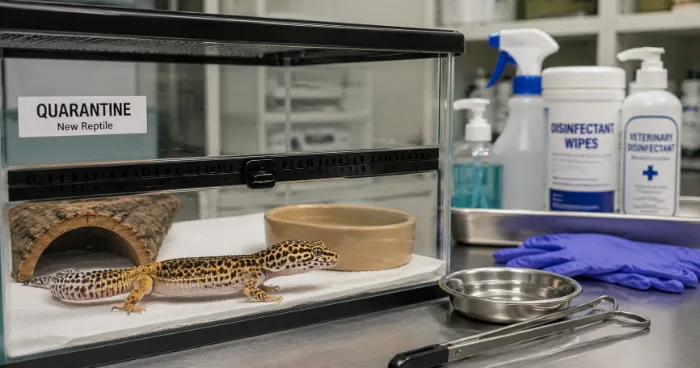
Parasites are extremely common and are often an overlooked problem in captive breeding and general pet reptile collections. It is fair to say that most reptiles brought into captivity in the United States are either farm-raised or wild caught. Wild-caught imported animals often bear a heavy parasite burden in their natural environment while showing no […]
Respiratory Disease in Snakes
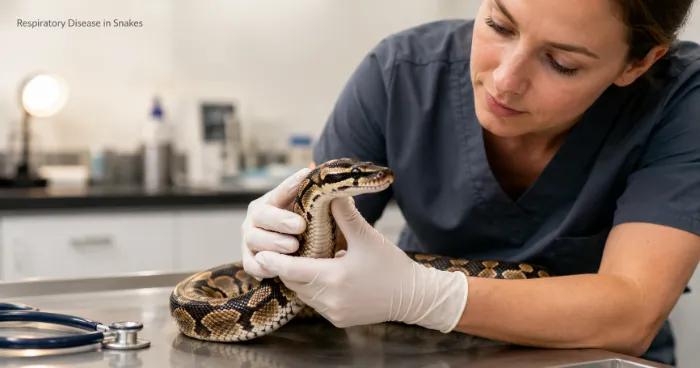
Respiratory disease is a commonly diseased organ system in snakes in captivity. Snakes develop both upper and lower airway diseases. The range of respiratory diseases seen in captivity can have many different causes, including bacterial, viral, parasitic, and fungal infections. Factors that contribute to the expression of disease include: This article is designed to explain […]
Russian Tortoise Care
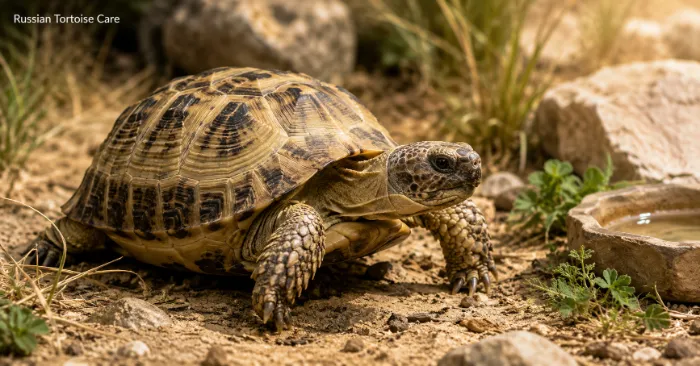
Scientific Taxonomy Scientific Name: Testudo horsfieldi Male Russian tortoises average around 5.5 inches in carapace length and weigh approximately 1.3 pounds. Females are generally larger, averaging around 7.5 inches and approximately 3 pounds. Russian tortoises naturally inhabit dry, arid regions around the Mediterranean and parts of Turkey, Afghanistan, Russia, Iran, China, and Pakistan. They spend […]
Savannah Monitors (Varanus exanthematicus) and White-Throated Monitors (Varanus albigularis) Care
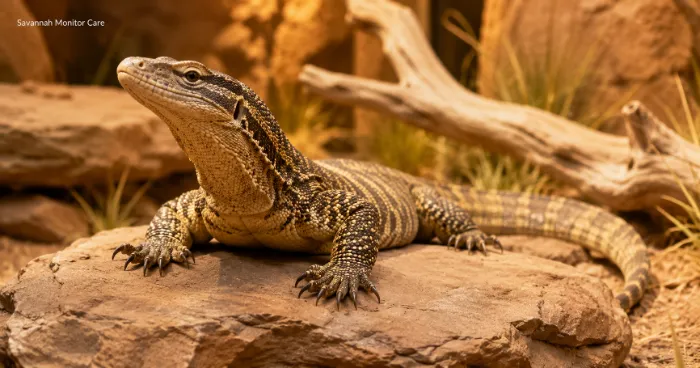
Monitor lizards belong to the family Varanidae, which contains approximately 40 species found throughout Africa, southern Asia, and Australia. All monitor species are carnivorous and egg-laying reptiles. They possess long, snake-like tongues and typically have long, narrow snouts. The husbandry requirements for Savannah Monitors and White-Throated Monitors are virtually identical. Both species naturally inhabit desert […]